Garage doors are a critical part of your home’s safety and functionality. One of the most overlooked components of your garage door system is the safety sensors. These small devices play a big role in preventing injuries and damage. If your garage door won’t close properly or reverses unexpectedly, it’s possible that your safety sensor alignment is off. In this post, we’ll cover how to know if your garage door sensors are aligned, why it’s important, and how you can fix common issues.
Understanding Safety Sensor Garage Doors
Garage door safety sensors, often referred to as photoelectric sensors, are located on either side of the garage door near the floor. They transmit an invisible infrared beam from one side to the other. If anything breaks this beam while the door is closing, the door automatically stops and reverses to prevent injury or damage.
These sensors are a standard feature in modern garage doors due to safety regulations. Proper safety sensor alignment ensures that the door responds appropriately to obstructions and doesn’t close when someone or something is in the way.
Signs Your Safety Sensor Alignment May Be Off
An issue with your safety sensor alignment can prevent your garage door from functioning correctly. Here are some common signs to look out for:
- Garage Door Won’t Close: If your garage door starts to close and immediately opens back up, or won’t close at all, misaligned sensors could be the cause.
- Flashing Sensor Lights: Most garage door safety sensors have LED indicators. A blinking light often indicates a problem with alignment or connectivity.
- Door Reverses Unexpectedly: If the door begins to close and then suddenly reverses with nothing visibly in the way, the beam may be misaligned.
- No Lights on Sensors: If neither sensor is showing a light, you may have a power issue or wiring problem. But if only one sensor is dark, alignment is a likely culprit.
Why Safety Sensor Alignment Matters
Proper safety sensor alignment is essential for the following reasons:
- Prevents Injury: Misaligned sensors may fail to detect people or pets in the garage door’s path, posing a serious safety risk.
- Avoids Property Damage: A closing door could crush objects in its path if sensors don’t function correctly.
- Maintains Garage Door Functionality: Poor sensor alignment can prevent your door from closing, leaving your home vulnerable.
- Compliance with Safety Standards: Misaligned or disabled safety sensors may violate local safety regulations.
How to Check If Your Garage Door Sensors Are Aligned
To check the alignment of your safety sensors, follow these steps:
- Inspect the Sensor Lights: Look for LED lights on each sensor. If both are solid, they’re likely aligned. If one or both are blinking or off, there’s an issue.
- Look for Obstructions: Dirt, cobwebs, or objects may block the beam. Clean around the sensors.
- Check the Sensor Brackets: Sensors should be firmly mounted about 6 inches off the ground. Loose brackets can cause misalignment.
- Verify Sensor Alignment: Use a measuring tape or level to ensure both sensors are at the same height and directly facing each other.
- Test the Door: Try closing the garage door. If it closes normally, your alignment is likely correct.
How to Realign Garage Door Sensors
If your sensors are misaligned, realigning them is typically a straightforward garage door repair. Here’s how you can do it:
- Loosen the Mounting Screws: Slightly loosen the screws holding the sensors in place.
- Adjust the Sensors: Move each sensor until they are pointing directly at each other. The LED light on each sensor should turn solid.
- Secure the Screws: Once the lights are steady, tighten the screws to secure the sensors in place.
- Retest the System: Close the garage door using your remote or wall button. Ensure it closes smoothly and reopens if you break the sensor beam.
Troubleshooting Other Sensor Issues
If realigning the sensors doesn’t resolve the issue, consider the following garage door repair tips:
- Clean the Lenses: Dirt or grime on the lenses can block the beam. Wipe them with a soft cloth.
- Check Wiring: Look for damaged wires or loose connections. Call a professional if you’re unsure.
- Ensure Power Supply: Make sure the garage door opener is plugged in and the circuit breaker hasn’t tripped.
- Replace Faulty Sensors: If one of the sensors won’t light up even after troubleshooting, it may be defective and need replacing.
Addressing Garage Door Track Issues
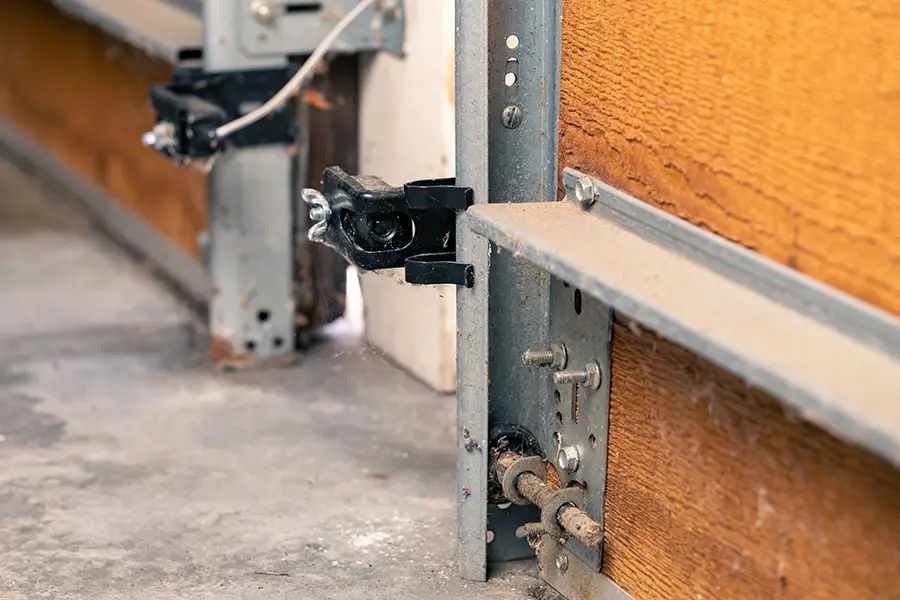
In some cases, a malfunctioning garage door isn’t just about sensor alignment—it could be related to your garage door tracks. Misaligned or damaged tracks can also interfere with the door’s ability to open and close properly.
Signs of Track Problems:
- The door sticks or stalls halfway.
- Grinding or scraping sounds during operation.
- Gaps between the rollers and the rail.
- Visible dents, rust, or bends in the track.
How to Handle Track Repairs:
- Inspect the Tracks: Look along the full length of both vertical and horizontal tracks for any signs of damage or wear.
- Tighten Loose Bolts: Vibrations over time can loosen the brackets holding the tracks. Tighten all hardware.
- Clean the Tracks: Debris and buildup can cause friction. Wipe down the tracks with a cloth and remove any obstructions.
- Call a Professional: If the track is bent, misaligned, or rusted through, it’s best to have a garage door repair expert assess and fix the issue. DIY fixes can worsen the problem if not done correctly.
Properly aligned and maintained tracks are just as important as sensor alignment when it comes to ensuring smooth and safe garage door operation.
When to Call a Garage Door Repair Professional
While many safety sensor alignment issues can be resolved by homeowners, sometimes the problem is more complex. You should call a professional if:
- You’ve tried realigning and the sensors still don’t work.
- There are electrical or wiring issues.
- The sensors are damaged or need replacement.
- Your garage door still won’t close despite working sensors.
- Your garage door tracks appear damaged or misaligned.
Professional garage door repair technicians have the tools and experience to quickly diagnose and fix the issue without risking further damage.
Preventing Future Sensor Alignment Problems
To keep your garage door running smoothly, follow these preventative maintenance tips:
- Check Sensor Alignment Monthly: Make sure the sensors haven’t been bumped or misaligned.
- Clean Around the Sensors: Dust and dirt can affect performance.
- Secure Mounting Hardware: Ensure the brackets are tight and in good shape.
- Avoid Bumping the Sensors: Teach children to be careful around the garage door sensors.
- Inspect Tracks Regularly: Watch for signs of track wear or damage and address them before they worsen.
Contact Bronco Garage Door Today!
Your garage door’s safety sensors are a crucial component in keeping your family and property safe. Ensuring they are aligned correctly not only protects against accidents but also ensures that your garage door functions properly every day. Likewise, don’t overlook the condition of your garage door tracks—they play a major role in smooth operation.
If you notice any signs of misalignment, sensor failure, or track issues, take action quickly. For persistent problems, don’t hesitate to call Bronco Garage Door for expert garage door repair services.
At Bronco Garage Door, we specialize in new garage door installation, garage door opener services, and spring replacement. While we don’t offer commercial garage door services, we proudly serve homeowners across the Metro East area with top-tier residential solutions. Contact us today to schedule your garage door repair or inspection!